What Roof Removal Involves and When It’s Necessary
People searching for what roof removal involves and when it’s necessary can rely on local contractors to safely and efficiently handle the job, ensuring proper roof replacement or repairs.
If you're considering roof removal, understanding what it involves and when it’s necessary can help you make informed decisions about your property. Roof removal typically includes carefully taking off the existing roofing materials, inspecting the underlying structure, and preparing the surface for a new roof. Whether due to age, damage, or the need for upgrades, knowing the process can clarify what to expect and when to seek professional assistance. Local contractors specializing in roof removal are equipped to handle these tasks efficiently, ensuring that the job is done correctly and safely.
Property owners in the area might explore this topic if they notice signs of extensive damage, leaks, or structural issues that can’t be remedied through simple repairs. Sometimes, a full roof removal is essential to address underlying problems or to facilitate a complete roof replacement. By understanding the circumstances that call for roof removal, homeowners and property managers can better determine when engaging experienced service providers is the right step. Keep reading to learn more about how local experts can assist with safe and effective roof removal services tailored to your specific needs.
- Full roof removal - needed when a roof has extensive damage or aging that requires complete replacement, with local contractors carefully dismantling and disposing of old materials.
- Partial roof removal - appropriate for repairs or upgrades to specific sections, with service providers efficiently removing only the affected areas to prepare for new roofing.
- Roof tear-off - necessary when existing roofing materials need to be stripped away before installing a new roof, with local pros ensuring proper removal and site cleanup.
- Layer removal - required when multiple layers of roofing need to be taken off to meet building codes or improve roof integrity, with experienced contractors handling the process safely.
- Roof removal for renovations - undertaken during home remodels involving structural changes, with local service providers managing the careful removal to support new construction plans.
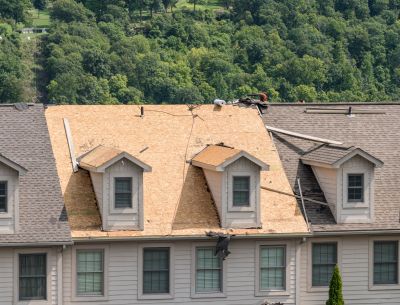

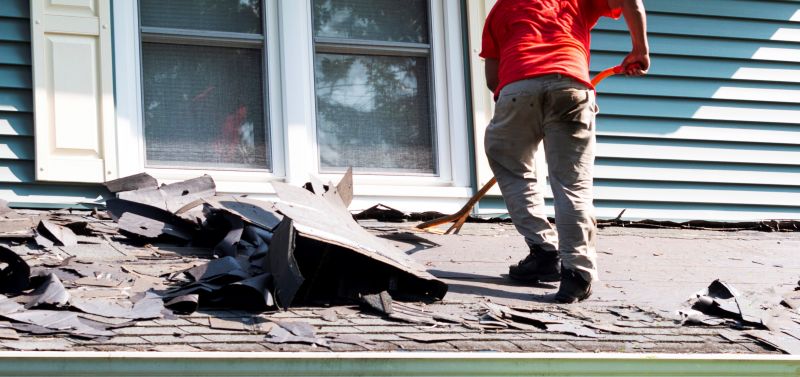
When people search for information about what roof removal involves and when it’s necessary, they are often considering major home renovation or repair projects. Roof removal typically refers to the process of taking off an existing roof structure, either partially or entirely, to prepare for a new roofing system or to address underlying issues. Homeowners usually inquire about this topic when planning to replace an aging roof, upgrade to a different roofing material, or fix damage caused by severe weather, leaks, or structural problems. Understanding what roof removal entails helps homeowners gauge the scope of the project and determine whether their property requires this service as part of a larger renovation or repair plan.
This process is frequently associated with problems or plans that involve extensive roof damage, deterioration, or the need for significant upgrades. For example, if a roof has sustained extensive storm damage, mold, or rot, removing the existing materials becomes a necessary first step before installing a new roof. Similarly, homeowners undertaking a major remodel might opt for roof removal to improve insulation, address structural concerns, or change the roofline entirely. Roof removal is also relevant for properties that require a complete overhaul due to age or building codes, especially when the existing roof no longer meets safety or aesthetic standards. Local contractors who specialize in roof removal can assess the specific condition of a roof and advise whether removal is the best course of action.
The types of properties that typically involve roof removal projects include residential homes, especially those with complex roof designs or multiple layers, as well as small commercial buildings and multi-family dwellings. Single-family houses often undergo roof removal when replacing asphalt shingles, tiles, or metal roofing systems. Larger or older properties, such as historic homes or buildings with multiple roof layers, may require more extensive removal to ensure the new installation is secure and up to code. The decision to remove a roof also depends on the property's structure and the extent of damage or renovation goals. Local service providers experienced in roof removal can evaluate these factors and provide guidance tailored to each property’s unique needs, ensuring the project proceeds smoothly and safely.
Ultimately, understanding what roof removal involves and when it’s necessary helps homeowners make informed decisions about their projects. Whether addressing damage, upgrading materials, or undertaking significant renovations, the process involves carefully removing existing roofing components to prepare for a new system. Connecting with experienced local contractors ensures that the work is performed properly, minimizing risks and supporting the longevity of the new roof. These professionals bring the expertise needed to handle various property types and project scopes, making them a valuable resource for homeowners considering roof removal as part of their home improvement plans.
Roof framing replacement - involves removing and installing roof structures, requiring similar planning and safety measures as roof removal projects.
Deck or porch removal - involves tearing down existing structures with similar tools and techniques used in roof removal processes.
Chimney demolition - requires careful planning and structural assessment, paralleling the skills needed for roof removal work.
Siding removal and replacement - involves removing exterior wall coverings, often performed alongside roof removal to update building exteriors.
Attic insulation removal - involves safely removing and replacing insulation, which is often necessary during roof or attic renovations.
Gutter and fascia removal - requires precise removal of components attached to the roof structure, similar to roof removal procedures.
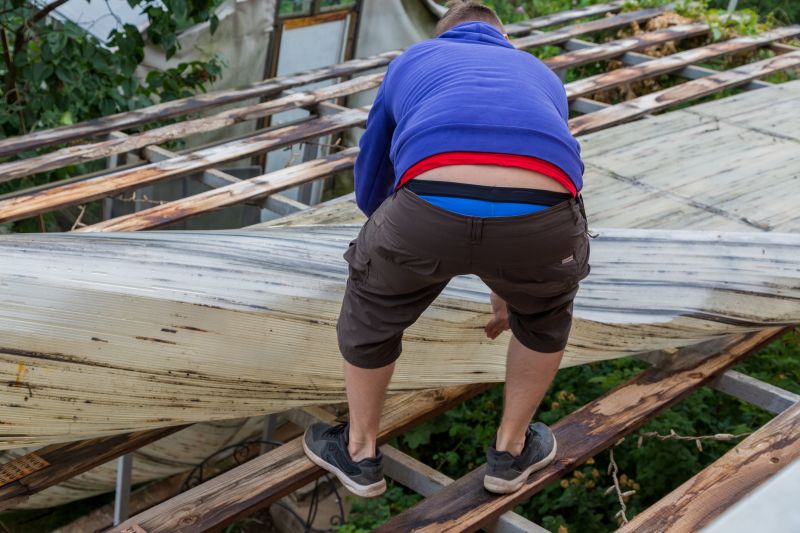
When comparing service providers for roof removal, it is essential to evaluate their experience with similar projects. Homeowners should seek out contractors who have a proven track record of handling roof removal jobs comparable in scope and complexity. An experienced contractor is more likely to understand the nuances involved in safely and effectively removing a roof, ensuring the process aligns with the specific requirements of the existing structure. Checking references or reviews from previous clients can provide insight into the contractor’s familiarity with similar work and their ability to manage the project efficiently.
Clear written expectations are a critical factor when choosing a local contractor for roof removal. A reputable service provider should be able to provide a detailed scope of work, outlining what the roof removal process entails and any preparations needed. This helps prevent misunderstandings and ensures that all parties are aligned on the project’s scope and responsibilities. Homeowners should ask for written estimates or proposals that specify the work included, the materials involved, and any potential contingencies, so they can compare options effectively and make informed decisions.
Effective communication and reputable references are vital indicators of a reliable contractor. Good communication involves promptly addressing questions, providing transparent information, and keeping homeowners informed throughout the project. Additionally, requesting references from past clients who have had similar roof removal services can help verify the contractor’s professionalism and reliability. A contractor who communicates clearly and has positive references is more likely to deliver a smooth project experience, making it easier to navigate the process of understanding what roof removal involves and when it’s necessary.
Property owners often search for what roof removal involves and when it’s necessary when they are planning practical projects around their homes and businesses. Local pros provide Roof Removal services for everyday jobs and straightforward project options.
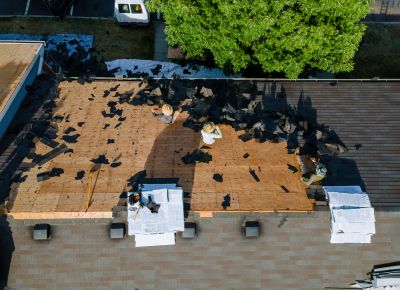
When property owners consider roof removal, they often do so as part of larger renovation projects or when replacing an aging or damaged roof. The process typically involves carefully stripping away the existing roofing materials-such as shingles, tiles, or metal panels-to prepare the surface for a new roof installation. Local contractors handle this work by ensuring the old roof is removed safely and efficiently, minimizing disruption to the property and surrounding area. Many property owners look into roof removal services when their current roof has reached the end of its lifespan, has sustained significant damage from weather, or when upgrading to a different roofing style or material.
Understanding when roof removal is necessary can help property owners decide if they need professional assistance. Common situations include extensive roof damage, persistent leaks, or structural issues beneath the roofing layers. Sometimes, a roof removal is part of a larger remodeling effort, such as adding insulation or improving energy efficiency. In these cases, local service providers can evaluate the existing roof, determine the scope of removal needed, and provide the expertise required for a safe and effective replacement. Connecting with experienced contractors ensures that the job is handled properly, whether it’s a straightforward replacement or a more complex project.
What does roof removal involve? Roof removal typically involves stripping away the existing roofing materials, inspecting the underlying structure, and preparing the surface for a new roof. Local contractors use specialized tools and techniques to safely and efficiently complete this process.
When is roof removal necessary? Roof removal is necessary when the existing roof is severely damaged, has reached the end of its lifespan, or when a complete replacement is needed to address underlying issues or upgrade the roofing system.
Can roof removal be part of a roof replacement? Yes, roof removal is a standard step in the roof replacement process, allowing service providers to properly assess the underlying structure before installing new materials.
What are signs that indicate the need for roof removal? Signs include extensive roof damage, persistent leaks, sagging areas, or visible deterioration of roofing materials, which may require professional assessment to determine if roof removal is necessary.
How do local contractors handle roof removal safely? Local service providers follow safety protocols, use appropriate equipment, and carefully remove roofing materials to minimize damage and ensure the job is completed efficiently and safely.
Assessing roof condition - property owners can evaluate whether their roof shows signs of damage or wear that may require removal and replacement, with local contractors providing expert inspections.
Understanding when removal is necessary - knowing situations like extensive leaks or structural issues helps property owners decide if roof removal services are needed.
Planning for roof replacement projects - property owners can coordinate roof removal as part of a larger renovation or upgrade, ensuring proper preparation with the help of local service providers.
Ensuring proper disposal and safety - property owners can work with local pros to safely remove and dispose of old roofing materials, minimizing hazards during the process.
If you are thinking about what roof removal involves and when it’s necessary for a property, this guide is meant to help you understand this topic, the typical project types, and how different options might fit your plans.
When you are ready, you can use the quote form on this page to share a few details about your project. From there, local pros can review the basics and follow up with options that match what you have in mind.